
FUNCTIONAL PROTOTYPE MANUFACTURING

Functional Prototypes
Built for Real-World Testing

Turn your CAD files into physical prototypes built to evaluate fit, assembly, movement, user interaction and selected product functions before production.
✓ Mechanical Fit & Assembly
✓ Movement & User Interaction
✓ Buttons & Selected Lighting Features
✓ Customer-Supplied Component Integration
Have a project ready? Send your CAD files and tell us what the prototype needs to demonstrate or validate. NDA support is available before sensitive project files are shared.
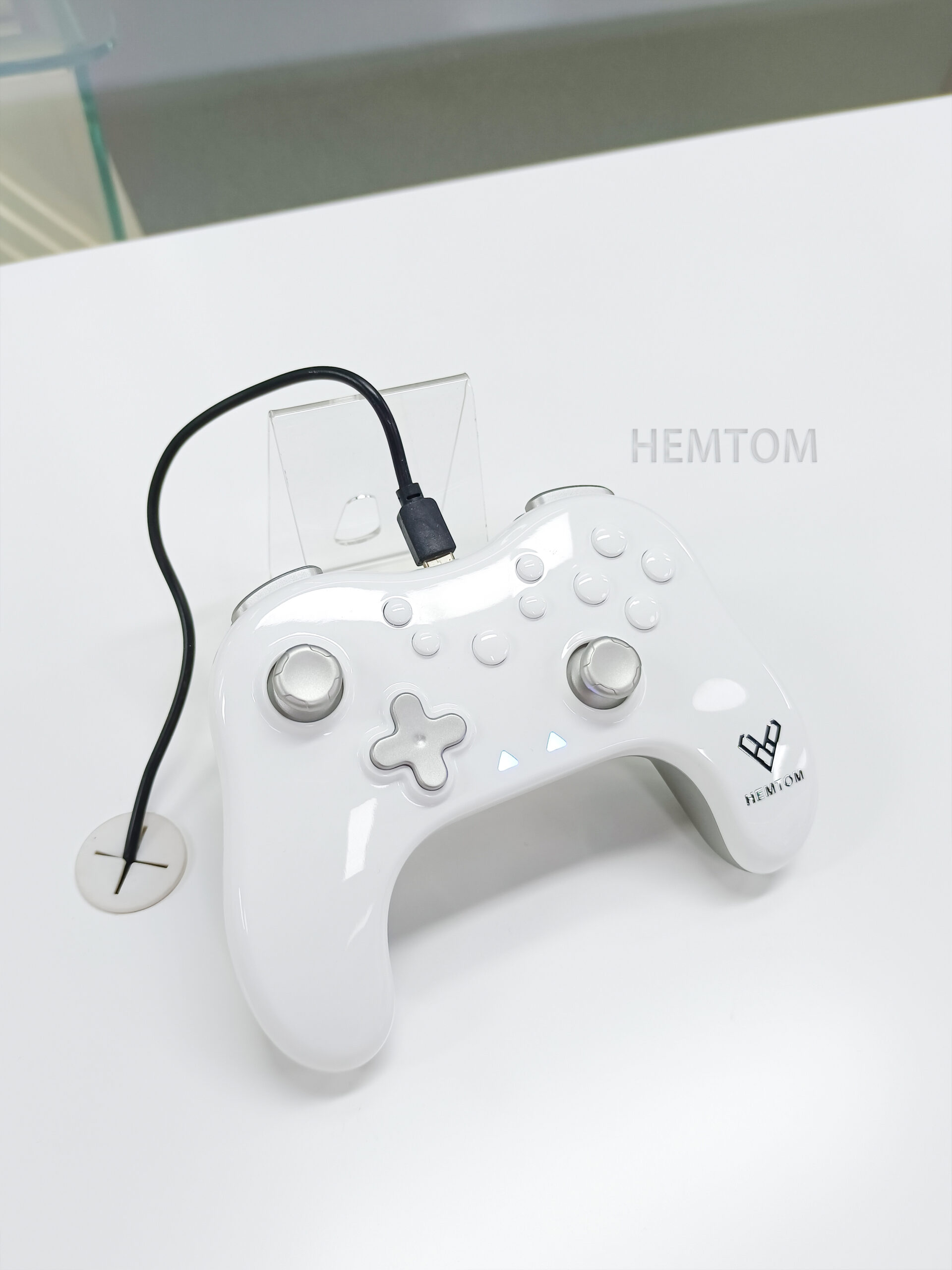
Functional prototype sample with localized lighting feature manufactured by Hemtom
PROTOTYPE FEATURE Localized Lighting
01
Build Only What You Need to Validate

Functional prototypes do not always need to reproduce every function of the final product. This sample was built with a localized lighting feature to demonstrate a specific visual effect rather than full electronic functionality.

UNDERSTANDING FUNCTIONAL PROTOTYPES

What Is a Functional Prototype?

A functional prototype is a physical model built to evaluate how a product or a specific product feature works before production. Depending on your validation goals, it can be used to test fit, assembly, movement, mechanical interaction, user controls or selected functional features.

01

It Does Not Have to Reproduce Every Final Product Function

The purpose of a functional prototype is to answer specific engineering or product-development questions. One prototype may focus on a moving mechanism, another on button operation, enclosure assembly or component fit, while another may combine several functions into a more complete physical model.

The prototype should therefore be built around what you need to validate — not simply around reproducing every feature of the final production product.

A functional prototype can help you evaluate:
01
Fit & Assembly

Check how parts, interfaces and internal components fit together.

02
Movement

Evaluate hinges, sliders, buttons and other moving mechanisms.

03
User Interaction

Assess how users press, hold, move or interact with physical controls.

04
Selected Functions

Demonstrate defined features such as mechanical actions or localized lighting effects.

CHOOSE BY VALIDATION GOAL

Appearance, Structure or Function?

Different prototypes answer different questions during product development. The right prototype depends on what your team needs to learn next.

01 APPEARANCE

Appearance Prototype

“How will the product look and feel?”

Focuses on visual quality, form, color, texture, surface finish and other CMF details.

Explore Appearance Prototypes →
02 STRUCTURE

Structural Prototype

“Will the parts fit and assemble correctly?”

Focuses on part relationships, internal layout, assembly, interfaces and structural verification.

Explore Structural Prototypes →
03 FUNCTION

Functional Prototype

“Will the product or feature work as intended?”

Focuses on movement, interaction, mechanical behavior, component integration and selected working features.

YOU ARE HERE
→
One prototype can serve more than one validation goal.

A functional prototype can also include production-like appearance, structural verification or finished surfaces when your project requires them.

Functional Prototype Validation

What Can You Validate With a Functional Prototype?

A functional prototype lets your team move beyond appearance and evaluate how parts fit, assemble, move and interact in the real physical product. Hemtom manufactures and assembles prototype parts around the specific functions and engineering questions your team needs to verify before moving forward.

Disassembled handheld device functional prototype for fit and assembly validation 01
Fit & Assembly

Verify How Multiple Parts Come Together

Check the fit, alignment and assembly relationship between housings, frames, buttons, displays and other components. Physical prototypes help reveal interference, clearance and assembly issues that can be difficult to judge from CAD alone.

Part Fit Alignment Clearances Assembly
Laptop functional prototype for hinge opening and mechanical movement evaluation 02
Movement & Interaction

Evaluate Moving and Interactive Features

Functional models can be built to evaluate physical interactions such as opening and closing, hinges, buttons, switches, sliding parts and other mechanical movements required by the product design.

Hinges Opening & Closing Buttons Mechanical Interaction
Prototype housing showing internal ribs mounting points and structural features 03
Internal Structure

Check Internal Space and Mounting Features

Evaluate internal geometry before production, including mounting points, ribs, bosses, openings and interfaces for components. This helps confirm whether the enclosure and internal structure support the intended assembly.

Internal Geometry Mounting Points Ribs & Bosses Component Space
Exploded headphone prototype showing component integration and assembly 04
Component Integration

Integrate Parts Into a Complete Prototype Assembly

Prototype housings and structural parts can be assembled with the required internal components to evaluate positioning, interfaces and the overall assembly. Customer-supplied electronic components can also be integrated when required.

Component Positioning Interfaces Housing Integration Final Assembly
Functional prototype with localized lighting effect manufactured by Hemtom
Selected Functional Features

Build the Functions You Actually Need to Evaluate

Not every functional prototype needs to reproduce every function of the final product. Depending on your validation goals, Hemtom can manufacture a prototype around selected physical or interactive features so your team can evaluate the aspects that matter at the current development stage.

Pressable buttons and controls
Hinges and moving mechanisms
Localized lighting effects
Internal component assembly
i
Need electronics integrated into your functional prototype?

Hemtom focuses on manufacturing and assembling the physical prototype. When electronic functionality is required, customers can provide the PCB or other electronic components, and our team can integrate them into the prototype according to the project requirements.

From Design to Physical Validation

From CAD to a Working Functional Prototype

A functional prototype starts with more than geometry. We need to understand what your team wants to test, which parts need to move or interact, what components must fit inside, and how closely the prototype should represent the intended product.

Build Around
the Test Goal
Instead of adding unnecessary functions, the prototype can be configured around the  specific behaviors, interfaces and assembly conditions  your team needs to evaluate at the current development stage.
01
Your Design

CAD Files & Requirements

You provide the available 3D CAD data, drawings and information about the functions or physical behaviors that need to be demonstrated or tested.

02
Engineering Review

Define What Must Be Validated

We review the prototype requirements, including fit, movement, assembly, component interfaces, materials and the required level of appearance.

03
Build Strategy

Select the Manufacturing Approach

Different prototype parts may require different processes and materials. The manufacturing route is selected according to geometry, function, quantity and validation requirements.

04
Build & Integrate

Manufacture, Finish & Assemble

Prototype parts are manufactured, finished and assembled. Customer-supplied components can be installed where the functional assembly requires them.

05
Physical Prototype

Ready for Hands-On Evaluation

The completed prototype gives your team a physical model for checking the intended fit, movement, interaction, assembly or selected functional features.

Prototype Planning

The Build Strategy Depends on What You Need to Learn

There is no single manufacturing route for every functional prototype. Before production, the prototype should be planned around the engineering questions it needs to answer.

01 What Needs to Move?

Hinges, buttons, sliders, rotating parts and other mechanical interactions.

02 What Needs to Fit?

Housings, internal structures, interfaces and customer-supplied components.

03 What Needs to Be Demonstrated?

Selected functions such as physical controls, mechanisms or localized lighting.

04 How Finished Should It Look?

From engineering-focused parts to a functional prototype with production-like CMF and surface finishing.

You Provide

Project Inputs

3D CAD Files 2D Drawings Functional Requirements Material Requirements Reference Images Components if Required
→
We Build

A Prototype for Physical Validation

Prototype Parts Mechanical Features Internal Structures Surface Finishing Component Integration Final Assembly
You do not need to reproduce the complete final product in every prototype iteration.

Tell us what needs to be tested or demonstrated. The prototype can then be planned around those requirements while avoiding unnecessary complexity at the current development stage.

Manufacturing Capabilities

Manufacturing Processes for Functional Prototypes

Different parts of a functional prototype may require different materials, tolerances and physical properties. Rather than forcing the entire prototype into one manufacturing method, we select the process according to the role each part needs to perform.

CNC machined metal prototype components manufactured by Hemtom
01
Precision Prototype Parts

CNC Machining

CNC machining is suited to functional prototype parts that require accurate dimensions, stable material properties and reliable mechanical interfaces. It also allows prototypes to be made from engineering plastics and real metals such as aluminum and stainless steel.

Common Applications
Housings Frames Mechanical Parts Metal Components Fit & Assembly
3D printed prototype parts for functional evaluation
02
Fast Design Iteration

3D Printing

3D printing provides a fast route for complex geometries and early prototype iterations. It is particularly useful when engineers need physical parts quickly to evaluate form, fit, internal space or mechanical concepts before committing to another manufacturing process.

Common Applications
Complex Geometry Early Iterations Internal Parts Fit Checks Design Verification
Sheet metal structural component for prototype assembly
03
Structural Metal Parts

Sheet Metal Fabrication

Sheet metal fabrication can be used for internal frames, brackets, covers and structural components where thin metal parts form part of the intended product architecture. These parts can then be combined with machined or plastic prototype components during assembly.

Common Applications
Internal Frames Brackets Covers Enclosures Structural Parts
Prototype component used for flexible and production-like part development
04
Small-Batch Prototype Parts

Vacuum Casting & Silicone Molding

Vacuum casting is useful when several similar prototype parts are required or when the project needs flexible, transparent or production-like polyurethane components. Silicone molds allow small batches to be reproduced from a master pattern without production tooling.

Common Applications
Flexible Parts Transparent Parts Soft-Touch Parts Small Batches Production-Like Parts
Multi-Process Prototyping

A Functional Prototype Often Combines Several Processes

A single product may contain rigid housings, internal structures, flexible parts, metal components and finished exterior surfaces. Each component can be manufactured using the process best suited to its function, then brought together during prototype assembly.

CNC Parts + 3D Printed Parts + Sheet Metal + Cast / Flexible Parts + Surface Finishing
↓
Final Assembly One physical functional prototype built around the specific requirements your team needs to validate.
Process Selection

How the Manufacturing Route Is Selected

The appropriate process depends on what each prototype part needs to accomplish — not simply on what process is available.

01 Part Geometry

Size, wall thickness, complexity and internal features.

02 Function

What the component must physically do during evaluation.

03 Material

Rigidity, flexibility, transparency and mechanical properties.

04 Quantity

From one engineering prototype to a small validation batch.

05 Finish Level

Raw engineering parts or presentation-quality CMF.

Not sure which process your functional prototype requires?

You do not need to determine the manufacturing method before requesting a quote. Send us your CAD files, quantity, material requirements and tell us what needs to be tested. We can review the project and determine a suitable manufacturing approach.

Material Selection

Materials for Functional Prototypes

A functional prototype should use materials that support the specific behavior you need to evaluate. Depending on the project, that may mean rigid engineering plastics, transparent components, flexible parts or real metal — and different materials can be combined within the same prototype.

01 Define What You Need to Test

Fit, movement, strength, transparency, flexibility, assembly or user interaction.

→
02 Match the Required Properties

Rigidity, impact resistance, heat resistance, clarity, elasticity or machinability.

→
03 Select Material & Process

Choose a practical material and manufacturing route for the required validation stage.

01

Rigid Engineering Plastics

Used for housings, structural components, internal frames and mechanical parts where dimensional stability and rigidity are important to functional evaluation.

ABS PC PA / Nylon POM PMMA
Useful for validating

Fit · Assembly · Housing Geometry · Mechanical Features · Internal Structures

02

Transparent & Translucent Materials

Transparent materials can be used where the prototype needs windows, lenses, light-transmitting areas or visibility into internal components and structures.

PMMA / Acrylic PC Clear PU
Useful for validating

Light Transmission · Windows · Lenses · Internal Visibility · Transparent Housings

03

Flexible & Elastomer-Like Materials

Flexible materials are useful when a prototype includes soft interfaces, grips, seals, protective parts or components that need to bend or deform during evaluation.

TPU Flexible PU Silicone-Like Materials
Useful for validating

Flexibility · Grip · Soft Touch · Sealing Concepts · Flexible Interfaces

04

Metals

Real metal can be used where the prototype needs higher rigidity, structural strength, threads, precise interfaces or the weight and feel of a metal production component.

Aluminum Stainless Steel Steel Brass
Useful for validating

Structural Parts · Threads · Mechanical Interfaces · Strength · Production-Like Weight & Feel

Select Materials Around the Function You Need to Validate

There is no single “best material” for every functional prototype. Material selection should follow the test objective and the role of each individual component.

Validation Need
Typical Material Direction
Why It Matters
Fit & Assembly
ABS · PC · POM · Aluminum
Stable geometry helps evaluate interfaces, gaps, fastening and assembly relationships.
Mechanical Movement
POM · Nylon · Aluminum · Engineering Plastics
Material behavior can affect sliding, rotation, wear and moving interfaces.
Lighting & Visibility
PMMA · PC · Clear PU
Transparency and light transmission matter when evaluating windows or selected lighting effects.
Flexible Interaction
TPU · Flexible PU · Silicone-Like Materials
Flexible materials allow bending, compression and soft-touch interaction to be evaluated.
Structural Strength
Aluminum · Steel · Stainless Steel
Metal parts can provide greater rigidity and more production-representative mechanical behavior.
Appearance + Function
Material Selected With CMF Requirements
The prototype may need to work mechanically while also representing the intended color, texture and finish.
An Important Distinction

Prototype Material Does Not Always Need to Be the Final Production Material

The right choice depends on the purpose of the prototype. In some projects, using the intended production material is important for meaningful testing. In others, an alternative prototype material can reproduce the geometry or behavior needed for the current validation stage while reducing unnecessary time or cost.

Material selection may consider:
  • What function needs to be tested
  • Required mechanical properties
  • Part geometry and wall thickness
  • Prototype quantity
  • Manufacturing process
  • Surface finish and CMF requirements
Assembly & Component Integration

From Prototype Parts to a Testable Assembly

A functional prototype often needs more than individually manufactured parts. Hemtom can manufacture prototype components, apply the required finishes and assemble them with mechanical parts, selected lighting elements or customer-supplied components to create a prototype ready for the intended evaluation.

Prototype Parts

Manufactured by Hemtom

  • Exterior housings and covers
  • Internal frames and supports
  • Buttons and control features
  • Brackets and mechanical components
  • Transparent or translucent parts
  • Flexible prototype components
  • Metal prototype parts
→
Integration

Prototype Assembly

  • Part fitting and alignment
  • Screw and fastener assembly
  • Snap-fit assembly
  • Moving mechanism assembly
  • Button and interface installation
  • Selected lighting integration
  • Customer-supplied component installation
→
Evaluation

Ready for Intended Validation

  • Fit and assembly checks
  • Button interaction
  • Opening and closing movement
  • Mechanical movement
  • Selected lighting effects
  • Internal component packaging
  • Overall product interaction
01

Mechanical Assembly

Prototype housings, frames, brackets, fasteners and other components can be assembled to evaluate part relationships, mechanical fit and overall construction.

02

Buttons & User Controls

Buttons, switches and other physical control features can be built and assembled so the customer can evaluate position, travel, access and physical interaction.

03

Moving Features

Hinges, sliding parts, rotating elements and other mechanical features can be incorporated when movement is part of the prototype's validation objective.

04

Selected Lighting Features

Where a project requires visual feedback or a lighting effect, selected lighting elements can be incorporated without requiring the prototype to reproduce the complete electronics of the production product.

05

Customer-Supplied Components

Customer-provided PCBs, displays, electronic modules or other project-specific components can be installed into the prototype when required for fit, packaging or functional evaluation.

06

Final Prototype Assembly

Manufactured parts, finished surfaces and required components can be brought together into a complete physical assembly for customer review and testing.

H

Hemtom Can Support

  • Prototype part manufacturing
  • Surface finishing and CMF execution
  • Mechanical part fitting and assembly
  • Button and moving-feature assembly
  • Selected lighting implementation
  • Installation of customer-supplied components
  • Basic assembly and function checks before delivery
C

Customers Typically Provide

  • CAD files and assembly information
  • Functional and validation requirements
  • PCB assemblies when electronic integration is required
  • Special electronic modules or proprietary components
  • Reference samples where applicable
  • Required interface and component positioning information
  • Acceptance or testing requirements for the prototype
PCB Scope
Hemtom does not design or manufacture PCBs.

When a functional prototype requires a PCB or specialized electronic components, customers can provide the required hardware and related assembly information. Hemtom can manufacture the surrounding prototype parts and support physical installation and integration according to the project requirements.

A Functional Prototype Does Not Need Every Final Product Function

The prototype should be built around what you need to validate at this stage. A project may require only a working hinge, pressable buttons, component fit, a selected lighting effect or a complete assembly around customer-supplied electronics.

This allows the prototype scope to focus on the functions that matter for the current engineering decision instead of adding unnecessary complexity.

Fit Assembly Movement Button Interaction Lighting Component Integration
Prototype Scope & Validation

Build the Prototype Around What You Need to Test

A functional prototype does not always need to reproduce every function of the final product. The right build scope depends on the engineering question your team needs the physical prototype to answer.

Core Principle Start With the Test — Not the Prototype

Before deciding how much functionality to build, first define what needs to be validated. A prototype intended to evaluate a hinge or button does not require the same scope as one used to review internal component packaging, multiple user interactions or a more complete product assembly. The prototype should be built around the information your team actually needs from the physical model.

Different Goals, Different Build Scope

Define the Prototype From the Validation Objective

These are not rigid prototype categories. A project can combine several validation goals depending on what needs to be learned at the current stage of product development.

01 Mechanical Validation

Mechanical Function Prototype

Focus the build on the parts and relationships needed to evaluate physical movement, fit, clearance and mechanical behavior.

Hinges Sliding Features Rotating Parts Snap-Fits Clearance Mechanical Fit
02 Interaction Validation

User Interaction Prototype

Build the physical features required to evaluate how a user presses, opens, closes, holds or otherwise interacts with the product.

Pressable Buttons Button Travel Opening & Closing Grip & Handling Control Position Selected Lighting
03 Internal Integration

Component Integration Prototype

Evaluate how customer-supplied components fit within the product structure and how the surrounding prototype parts support installation and physical assembly.

PCB Fit Display Fit Connector Access Mounting Points Internal Packaging Assembly Clearance
04 Broader Product Review

Higher-Fidelity Functional Prototype

When several questions need to be reviewed together, the prototype can combine mechanical function, assembly, user interaction, component integration and appearance details in one physical model.

Complete Assembly Mechanical Function User Interaction Component Integration Appearance CMF Review
More Functionality Is Not Always Better

The goal is not automatically to reproduce the complete final product. A focused prototype can be more useful when it isolates the specific fit, movement, interaction or assembly question that needs to be evaluated. Build the functions that support the decision you need to make.

From Test Goal to Build Scope

Turn the Validation Objective Into a Physical Prototype

Once the required evaluation is clear, the prototype scope can be translated into the parts, materials, processes, finishing and assembly needed for meaningful physical review.

01 Define What Must Be Tested

Identify the engineering question, physical function or user interaction that needs to be evaluated.

→
02 Identify Critical Parts

Determine which parts, interfaces and customer-supplied components are required for the intended evaluation.

→
03 Select the Build Approach

Match materials, manufacturing processes, finishing and assembly to the required prototype scope.

→
04 Build for Meaningful Validation

Manufacture the functions and physical details needed to support the intended prototype evaluation.

Not Sure How Much Functionality Your Prototype Needs?

Send your CAD files and explain what your team needs to learn from the physical prototype. Hemtom can review the manufacturing scope around those validation requirements.

Discuss Your Prototype →
Real Prototype Evaluation

See What a Physical Prototype Can Help You Evaluate

A functional prototype becomes valuable when your team can physically interact with it and evaluate the details that matter to the project. These examples show how prototype builds can support different types of physical review without requiring every final product function.

PROJECT EXAMPLE 01 Physical Interaction

Physical Interaction & Interface Evaluation

This lamp prototype combines a painted ABS body with a solid acrylic lamp head. The physical sample allows the button, interfaces, part relationships and finished exterior to be inspected directly without requiring an operating lighting system.

Prototype Body ABS with painted surface finish
Lamp Head Solid acrylic prototype component
Evaluation Button interaction, interface position, part relationships and finished appearance
Button Interaction Interface Position Part Assembly ABS Housing Solid Acrylic Part Painted Finish Physical Product Review
PROJECT EXAMPLE 02 Mechanical Interaction

Button & Opening Mechanism Evaluation

This earphone case prototype can be physically operated by pressing the button and opening the enclosure, allowing the mechanical interaction, opening movement, part alignment and overall handling of the product to be reviewed directly.

Interaction Physical button operation and enclosure opening
Mechanical Review Opening movement, alignment and assembly relationships
User Review Physical handling and interaction with the assembled prototype
Button Operation Opening Movement Part Alignment Mechanical Interaction Assembly Relationship User Handling
Physical Evidence for Better Evaluation

The required functions vary from project to project. What matters is that the physical prototype provides the fit, movement, interaction, assembly or appearance information needed for the intended evaluation.

Typical Applications

Functional Prototypes Across Product Categories

Functional prototyping can support physical evaluation across many product categories. The required materials, processes, assembly and functional scope depend on the product and what needs to be validated.

01

Consumer Electronics

Housings, buttons, displays, internal component fit, opening mechanisms and assembled product interaction.

02

Smart Devices

Enclosures, control interfaces, component packaging, selected lighting features and physical user interaction.

03

Household Products

Buttons, covers, handles, hinges, moving features, part fit and overall product handling.

04

Medical & Healthcare Product Enclosures

Physical housings, covers, controls, internal packaging and assembly relationships for product-development evaluation.

05

Automotive Components

Interior parts, controls, housings, mechanical interfaces, component fit and physical assembly evaluation.

06

Industrial Products

Equipment housings, control interfaces, covers, mechanical features and assembled prototype structures.

What Does Your Team Need to Evaluate?

Send your CAD files and explain the fit, movement, interaction, assembly or appearance details that matter to your project.

Discuss Your Prototype →
Why Hemtom

More Than Making Individual Prototype Parts

A functional prototype may involve different materials, manufacturing processes, finished surfaces, moving features and assembled components. The challenge is not only making each part — it is bringing those parts together into a physical prototype that can be evaluated as intended.

From CAD to Physical Prototype Manufacturing, Craftsmanship and Assembly Need to Work Together

Hemtom supports prototype projects that may require machining or additive manufacturing, manual fitting, surface finishing, CMF work and physical assembly. The objective is to turn customer-provided CAD and project requirements into an assembled physical prototype suitable for the intended evaluation.

01

Multi-Process Manufacturing

Prototype projects can combine CNC machining, 3D printing, vacuum casting, sheet metal fabrication and other suitable manufacturing approaches depending on the parts involved.

02

Hands-On Fitting & Assembly

Individual prototype parts may require manual fitting, adjustment and assembly before the complete physical product can be evaluated as a system.

03

Appearance & CMF Finishing

When appearance matters alongside function, prototype parts can be prepared and finished for color, gloss, texture, transparency and other visual or tactile requirements.

04

Built Around Your Test Goal

The manufacturing scope is reviewed around the fit, movement, interaction, assembly, component integration or appearance details your team needs to evaluate.

05

Experienced Prototype Craftspeople

Experienced hands remain important for prototype preparation, detailed fitting, finishing and assembly where manual workmanship affects the final physical result.

06

Inspection Before Delivery

Prototype parts and completed assemblies are reviewed before delivery according to the relevant dimensional, appearance and project requirements.

Prototype Quality Is Not Determined by Machines Alone

CNC machining and 3D printing can create accurate geometry, but many physical prototypes still depend on skilled hands after the parts are made. Fitting, surface preparation, painting, detail work, assembly and inspection can all influence how the finished prototype looks, feels and performs during evaluation.

Manufacturing the Part Is Only One Step

The Physical Result Depends on What Happens Afterward, Too

A prototype can require more than accurate geometry. Manual fitting, preparation, finishing, assembly and inspection can be equally important when several parts, materials and visual requirements must come together in one physical model.

15+ Years Experienced Team Members

Many members of Hemtom's prototype team have more than 15 years of hands-on experience. That continuity is especially valuable for work that depends on practical judgment in fitting, surface preparation, polishing, painting, finishing and prototype assembly.

From Capability to Project Execution The Next Step Is Turning Your Requirements Into a Clear Prototype Build

Once we understand your CAD files, quantity, material requirements, finish and what the prototype needs to demonstrate, the project can move into technical review, manufacturing, finishing, assembly and final delivery.

See Our Project Workflow →
Project Workflow

From Your CAD Files to a Finished Functional Prototype

Every functional prototype has a different purpose. Our workflow begins by understanding what the physical model needs to demonstrate, then defining the manufacturing, finishing and assembly requirements around that validation goal.

Starting a Project

You Do Not Need to Determine the Manufacturing Process First

Send us your available CAD files and explain what you need to evaluate. We can review the geometry, materials, quantity, finish and functional requirements to determine a suitable prototype manufacturing route.

Send Your Project →
Project Requirements

Share Your Initial Requirements

Tell us what you are developing, the number of prototypes required and, most importantly, what the physical prototype needs to help your team evaluate.

Prototype Purpose Quantity Target Material Required Functions
01
02
Technical Information

Detailed Files & Engineering Review

Once detailed project information is available, we review the CAD data and manufacturing requirements, including part geometry, material, process suitability, assembly relationships and the functions that need to be demonstrated.

CAD Review Material Assembly Manufacturing Route
Project Confirmation

Quote & Build Scope Confirmation

The manufacturing scope is confirmed according to the supplied files and requirements, including quantity, materials, processes, finishing, assembly and any agreed functional features.

Scope Quantity Finish Assembly Requirements
03
04
Part Production

Prototype Manufacturing

Individual components are produced using the appropriate manufacturing processes for their geometry, material and intended role within the functional prototype.

CNC Machining 3D Printing Vacuum Casting Sheet Metal
Post-Processing

Finishing, Fitting & Assembly

Manufactured parts can move through manual fitting, surface preparation, painting or other required finishes before the components are assembled into the physical prototype.

Manual Fitting Polishing Painting CMF Assembly
05
06
Inspection

Prototype Check & Final Review

The completed prototype is reviewed against the agreed project scope. Relevant dimensions, assembly relationships, physical interactions and visible finishing details can be checked before delivery.

Dimensions Assembly Physical Interaction Finish Review
Completion

Customer Review & Delivery

Once the prototype is completed, it is prepared for customer evaluation and delivery so your team can continue testing, design review or the next stage of product development.

Physical Evaluation Design Review Next Iteration
07
Confidential Project? NDA Before Detailed Files
Sensitive CAD files do not need to be shared before confidentiality is addressed.

If your project contains confidential or unreleased product information, an NDA can be arranged before detailed CAD files, drawings and other sensitive project information are provided. Projects that do not require an NDA can proceed directly to detailed technical review.

What Helps Us Review Your Project

The more clearly the intended prototype function is defined, the easier it is to determine an appropriate manufacturing and assembly route. You do not need to specify every manufacturing process yourself.

01 CAD Files

3D CAD data and available engineering drawings for the parts that need to be manufactured.

02 Material & Quantity

Preferred material, production-intent material if relevant, and the number of prototypes required.

03 What Needs to Work

Tell us what needs to move, press, open, fit, light up or accept internal components.

04 Finish & References

Color, texture, CMF requirements, reference images or other information relevant to the finished prototype.

Engineering Review ≠ Product Design Service

Hemtom manufactures prototypes based on customer-provided CAD and project information. Our review focuses on prototype manufacturability, material and process selection, finishing, fitting and assembly requirements. Product design and PCB design are not part of our prototype manufacturing service.

Start With Your Current Files

Tell Us What Your Prototype Needs to Demonstrate

Send your CAD files, quantity, material and functional requirements. If confidentiality is required, let us know before sharing detailed project information.

Start Your Prototype Project →
Confidentiality & NDA

Protecting Confidential Prototype Projects

Functional prototype projects can involve unreleased product designs, CAD data, internal structures, component layouts and other commercially sensitive information. Confidentiality can be addressed before detailed project files are shared with Hemtom.

Need an NDA Before Sending Detailed CAD Files?

An NDA can be arranged before sensitive drawings, CAD files and detailed project information are shared. If your company has its own NDA, you can send it to us for review.

01
NDA Before Detailed Files

You can begin with general project information first and arrange confidentiality before providing sensitive technical files.

02
Confidential Project Information

CAD files, drawings, reference materials and project-specific information are treated as confidential materials within the prototype manufacturing workflow.

03
Physical Prototype Confidentiality

Confidentiality also extends beyond digital project files to physical prototype projects and controlled access to relevant manufacturing areas.

Step 01 Share General Project Information
→
If Required Review & Arrange the NDA
→
After Confidentiality Is Addressed Share Detailed CAD & Project Files
NDA Is Available When Your Project Requires It

If an NDA is not required, you can proceed directly with your CAD files and project requirements. For more detail about Hemtom's confidentiality practices, visit our dedicated confidentiality page.

Functional Prototype FAQ

Questions About Functional Prototype Manufacturing

From machining tolerance and surface finishing to assembly, customer-supplied components and confidentiality, these are some of the questions engineering and product-development teams commonly ask before starting a functional prototype project.

01 What is a functional prototype?

A functional prototype is a physical model built to evaluate selected aspects of how a product will work or behave before production. Depending on the project, this may include fit and assembly, mechanical movement, buttons and controls, opening and closing features, user interaction, component fit or selected visual functions.

It does not always need to reproduce every function of the final product. The prototype can be built around the specific questions your engineering team needs to answer.

02 What CNC machining tolerance can Hemtom achieve?

For general prototype CNC machining, Hemtom can typically work to tolerances around ±0.05 mm. Actual achievable tolerance depends on part size, geometry, material, wall thickness, machining features and other project requirements.

If your prototype contains critical dimensions or tighter tolerance requirements, mark them clearly on the engineering drawing so they can be reviewed before manufacturing.

03 Can a functional prototype also have a high-quality appearance?

Yes. Functional evaluation and appearance evaluation do not always need to be separated. Hemtom can combine prototype manufacturing with manual surface preparation, polishing, painting, color matching, gloss or matte control, transparent or translucent effects, graphics and other CMF finishing where required by the project.

This is particularly useful when a physical prototype needs to support both engineering review and a higher-fidelity visual or presentation review.

04 What materials and manufacturing processes can be used?

Depending on the project, functional prototypes can be made from engineering plastics, transparent materials, flexible materials and metals. Common options include ABS, PC, PA/Nylon, POM, PMMA, TPU, polyurethane, aluminum, stainless steel, steel and brass.

Manufacturing may involve CNC machining, 3D printing, vacuum casting, sheet metal fabrication or a combination of several processes. The appropriate route depends on geometry, quantity, material, functional requirements and the required finish.

05 Can Hemtom assemble different prototype parts into a complete model?

Yes. Hemtom supports physical fitting and prototype assembly in addition to manufacturing individual parts. A project can combine different materials and processes, followed by fitting, adjustment, finishing and assembly into a more complete physical prototype.

06 Can you install our PCB or other electronic components?

Yes, where appropriate for the project, customer-supplied PCBs, displays, modules or other components can be physically installed into the prototype. Hemtom can manufacture the surrounding prototype parts and support fitting and physical assembly around those components.

Hemtom does not design or manufacture PCBs. PCB development, electronic circuit design and related electronics engineering remain outside the prototype manufacturing service.

07 Do you work with large international companies?

Hemtom has supported prototype projects for international companies, including Fortune 500 companies, as well as engineering teams and product-development companies working on confidential and unreleased products.

Because many prototype projects are covered by confidentiality requirements, customer identities and project details are not necessarily disclosed publicly.

08 Can we sign an NDA before sending our CAD files?

Yes. If your project contains confidential or unreleased product information, an NDA can be arranged before detailed CAD files and sensitive project information are shared.

You can initially provide general project information. If your company already has its own NDA, you can also send it to Hemtom for review.

09 Does Hemtom provide product design services?

Hemtom focuses on manufacturing physical prototypes from customer-provided CAD files, drawings and engineering information. The engineering review is focused on prototype manufacturability, materials, processes, finishing, fitting and assembly rather than developing the customer's product design from concept.

10 What should I send to get a functional prototype quote?

For an efficient project review, send your CAD files or drawings, required quantity, preferred material if known, surface-finish requirements and a clear explanation of what the prototype needs to demonstrate or validate.

If customer-supplied components such as PCBs, displays or modules need to be installed, include their relevant dimensions, positioning information or reference files as well. If an NDA is required first, you can begin with general project information.

Machining CNC Tolerance Around ±0.05 mm

General prototype machining capability, subject to part geometry, material and project-specific requirements.

Craftsmanship High-Quality Surface Finishing

Hands-on surface preparation, polishing, painting and CMF work for prototypes where appearance matters.

Project Experience International & Fortune 500 Projects

Experience supporting confidential prototype development for international engineering and product-development teams.

Get Free Quote For Your Prototype | Parts Project

Contact Prototype | Parts Project, We’re Ready To Talk With You.