
01
Metal Prototypes
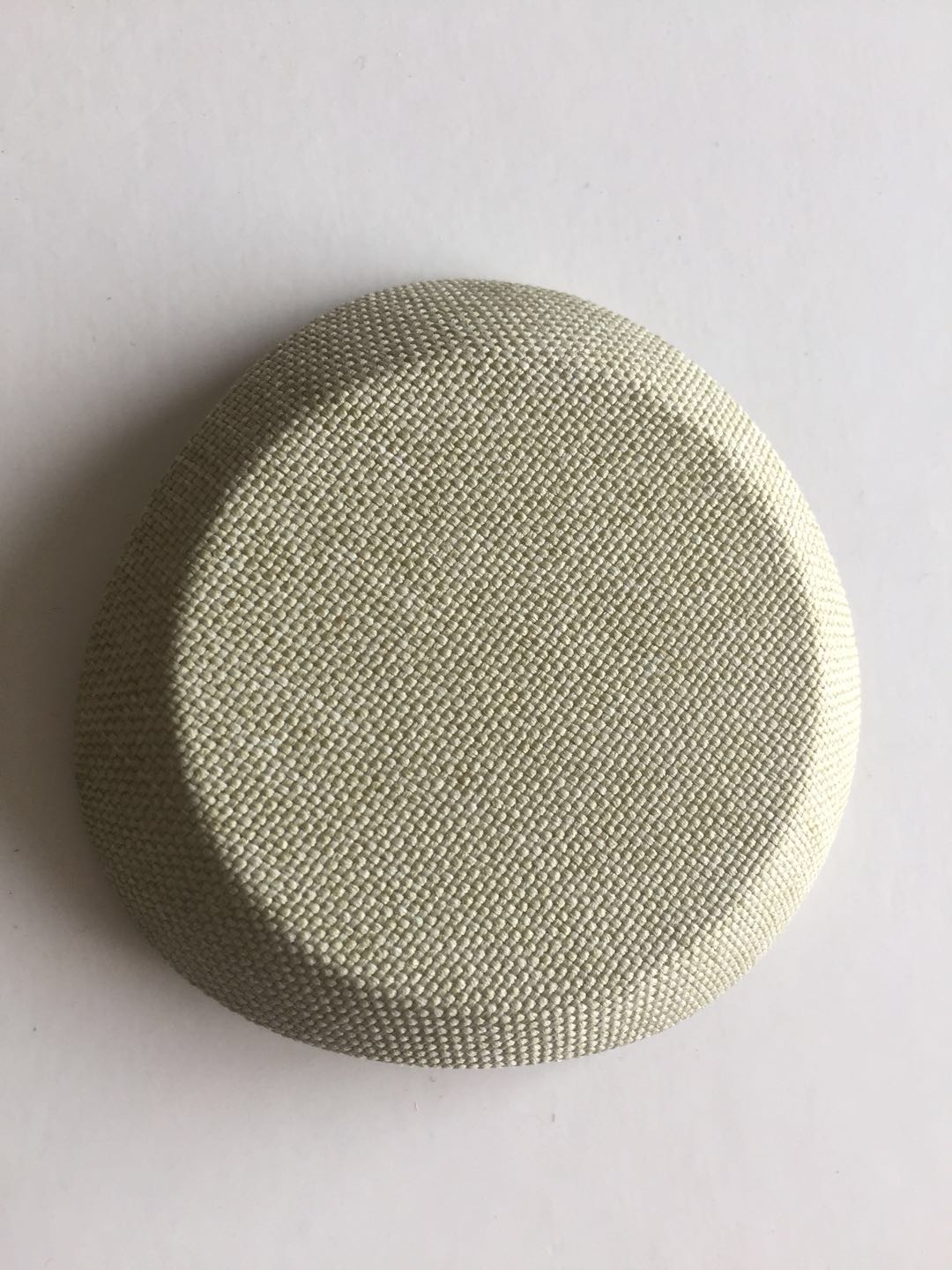
Metal prototypes are suitable for applications requiring strength, durability, dimensional accuracy or production-like material properties.

Hemtom manufactures high-fidelity appearance, functional and structural prototypes from customer-supplied CAD drawings and CMF specifications. We combine precision manufacturing with professional surface finishing to deliver finished physical prototypes for design review, engineering validation and presentation.

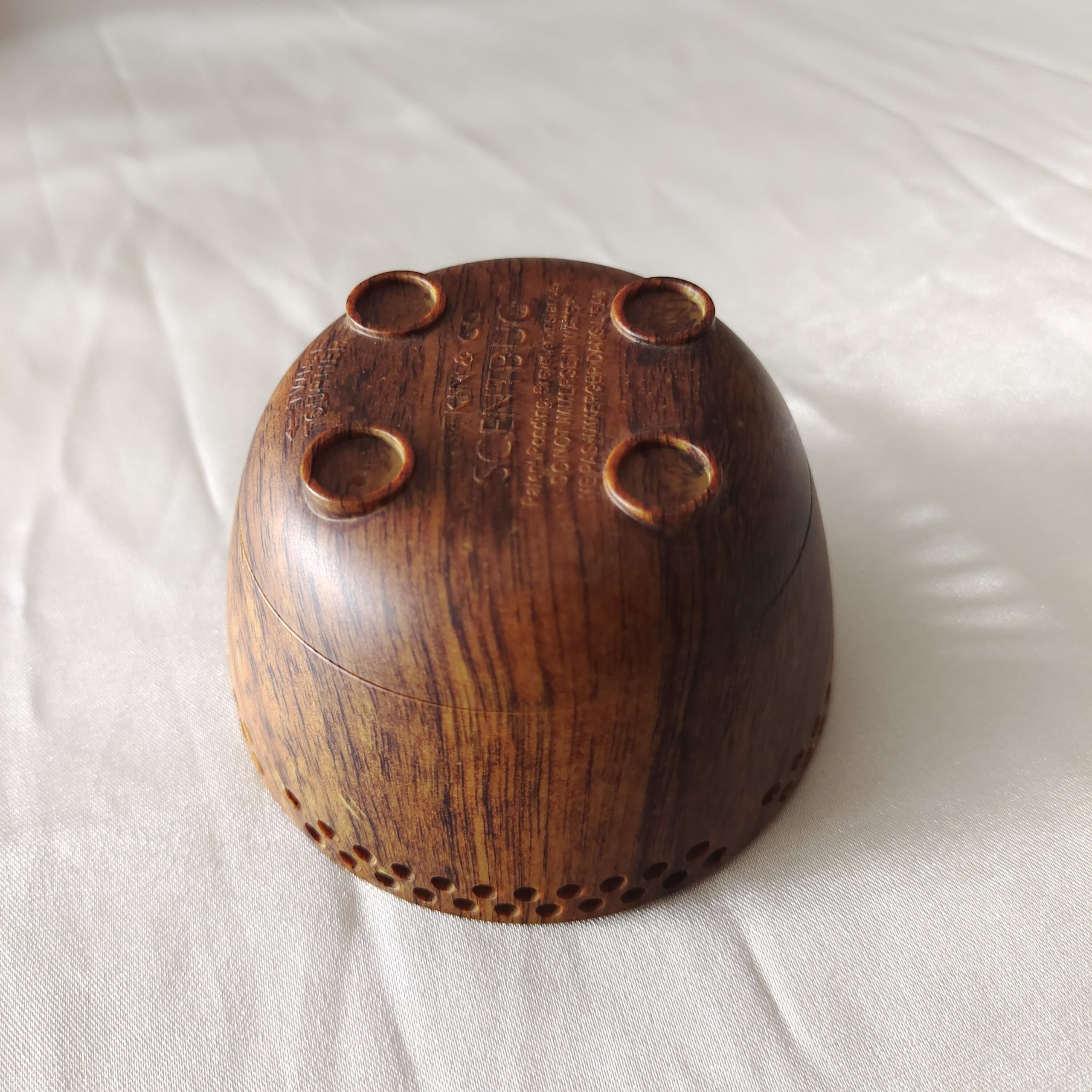
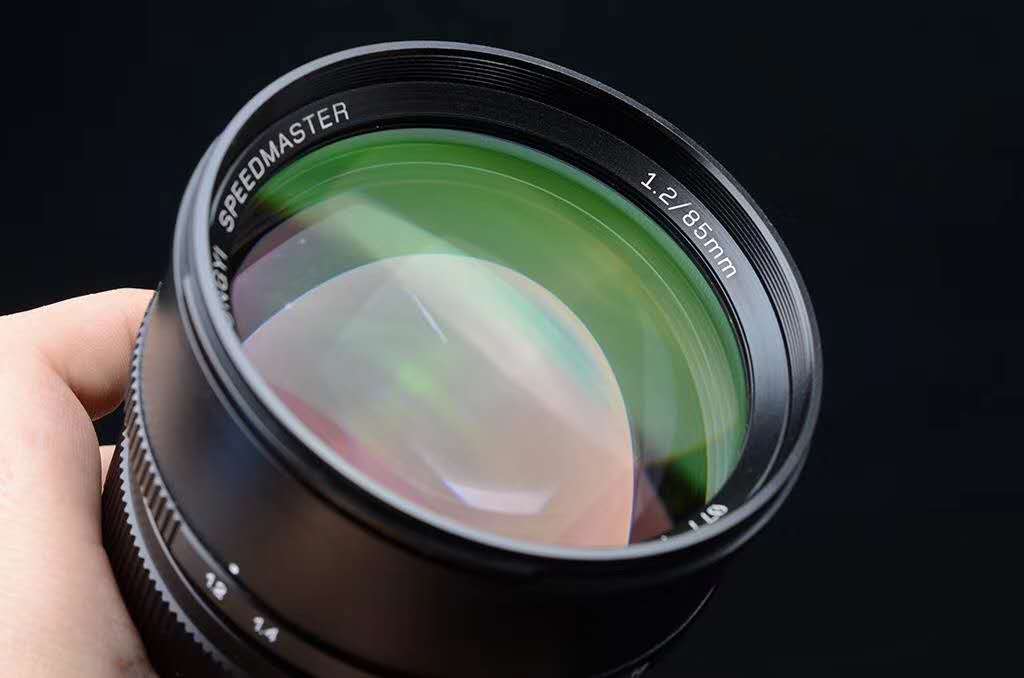
Hemtom manufactures prototypes in a wide range of materials, from metals and engineering plastics to rubber, wood, marble and glass. Material selection depends on the prototype’s purpose, required properties, appearance and finishing requirements.
Metal prototypes are suitable for applications requiring strength, durability, dimensional accuracy or production-like material properties.
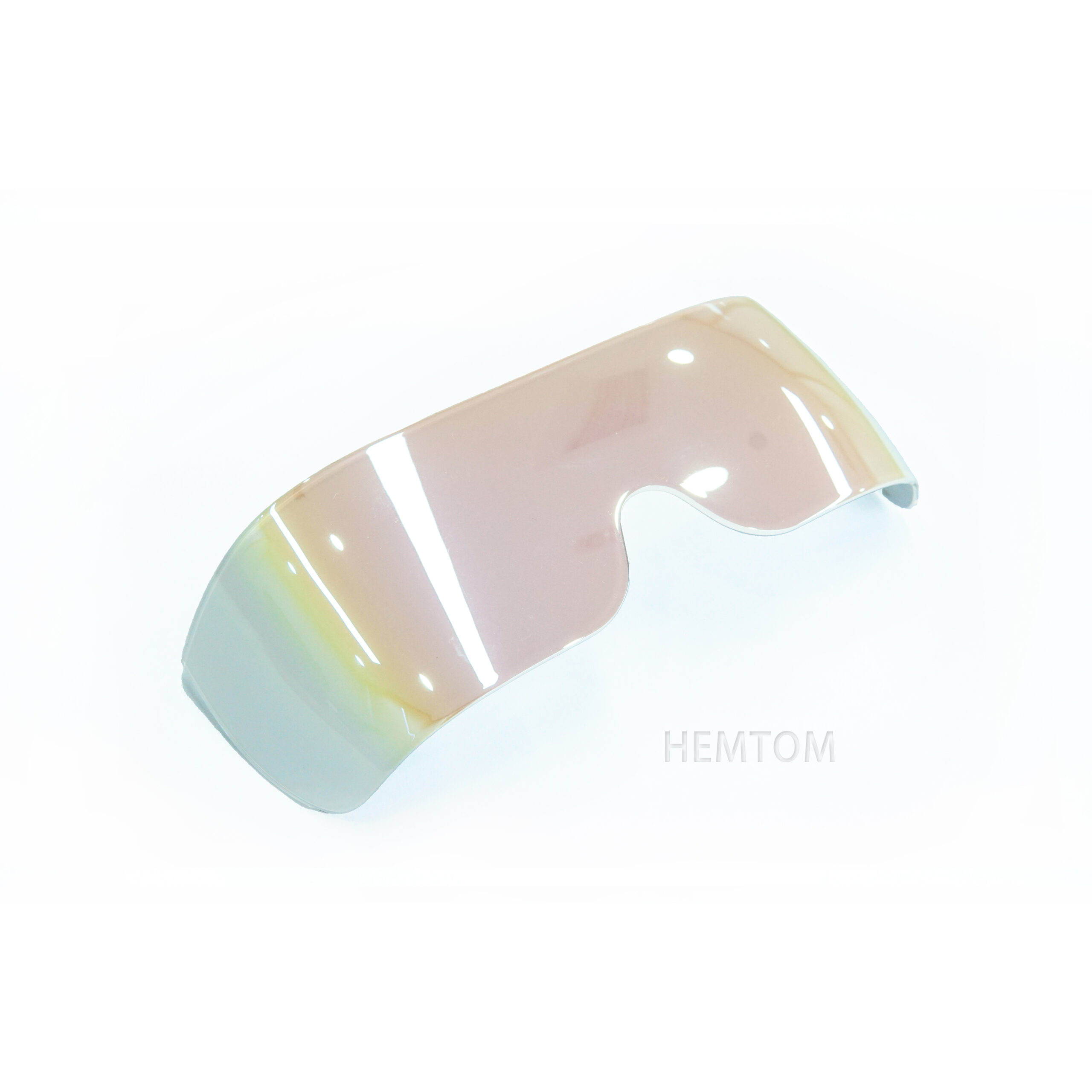
Plastic prototypes can be manufactured in different engineering plastics for appearance evaluation, assembly checks and functional testing.
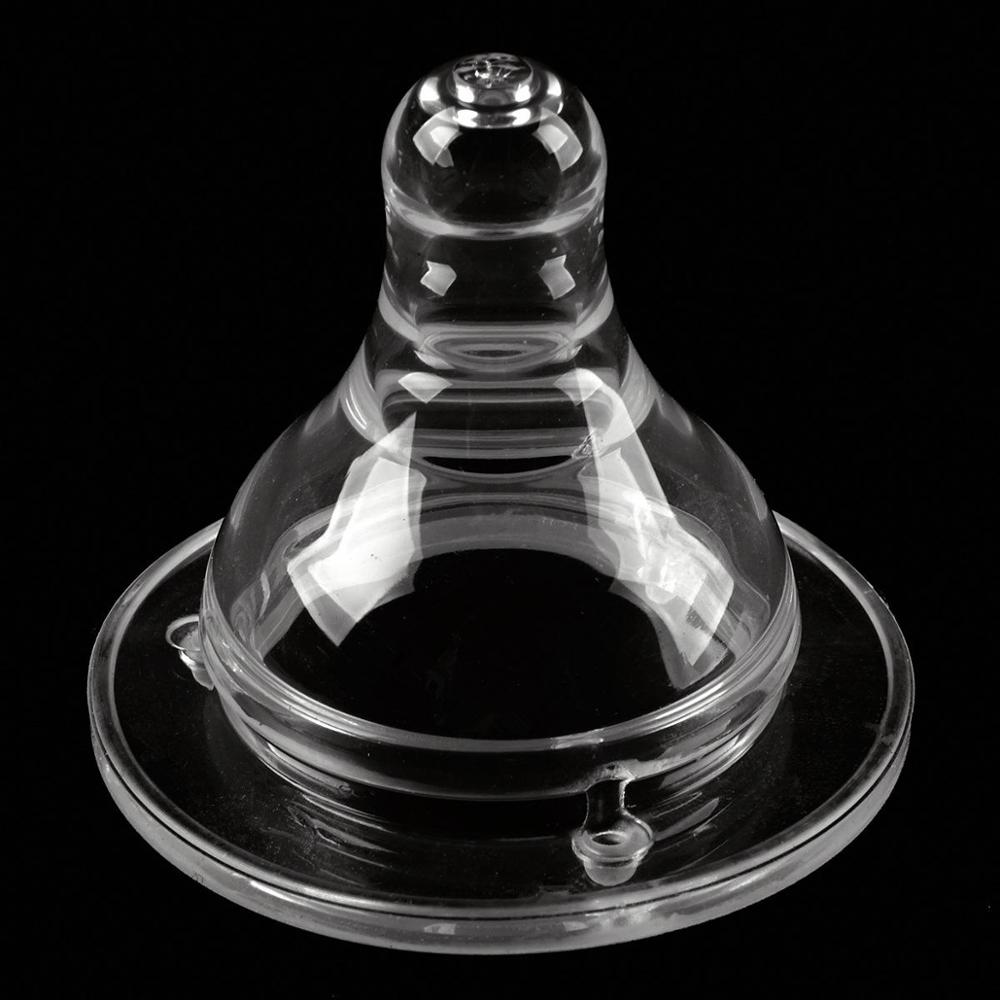
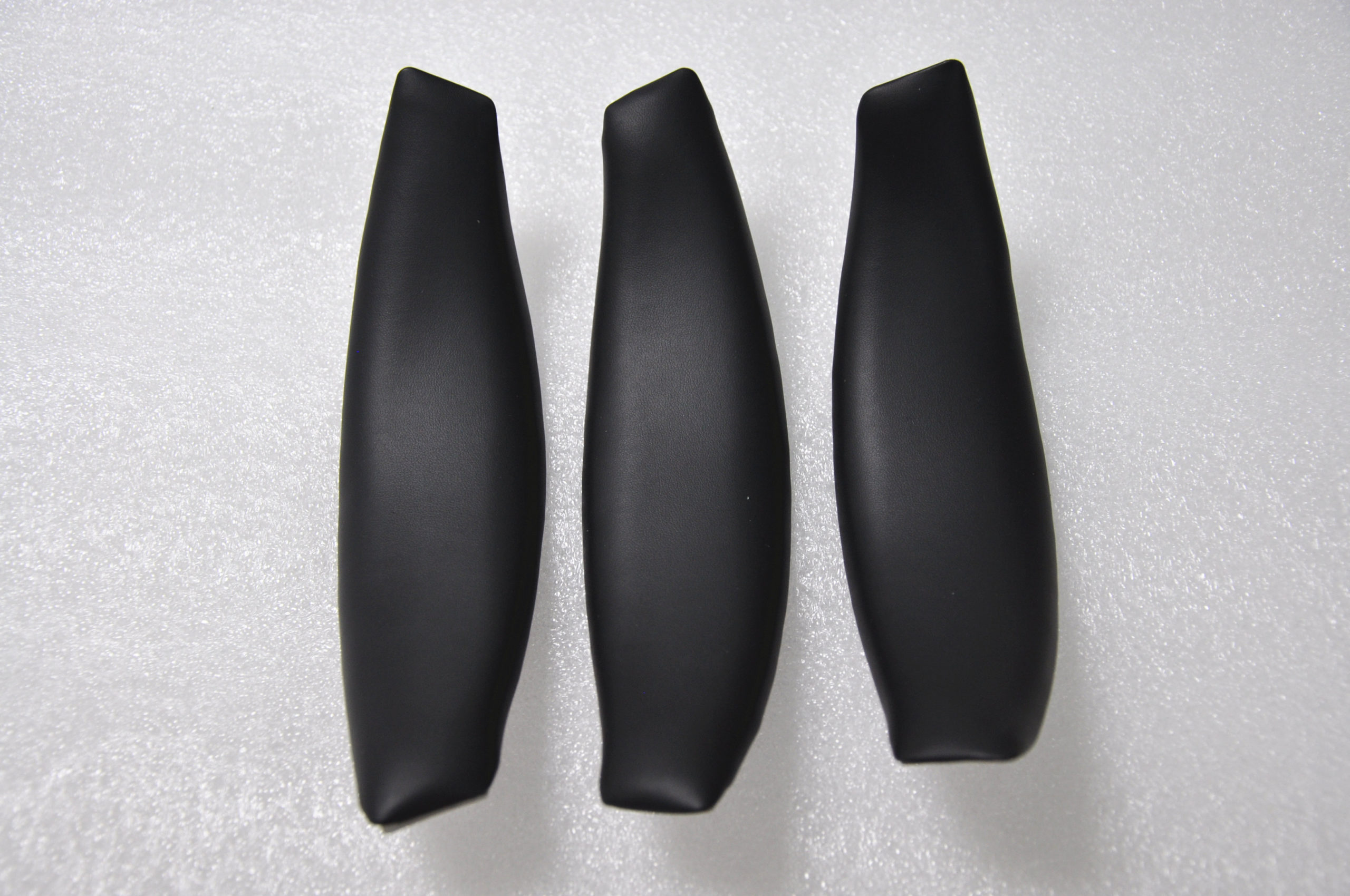
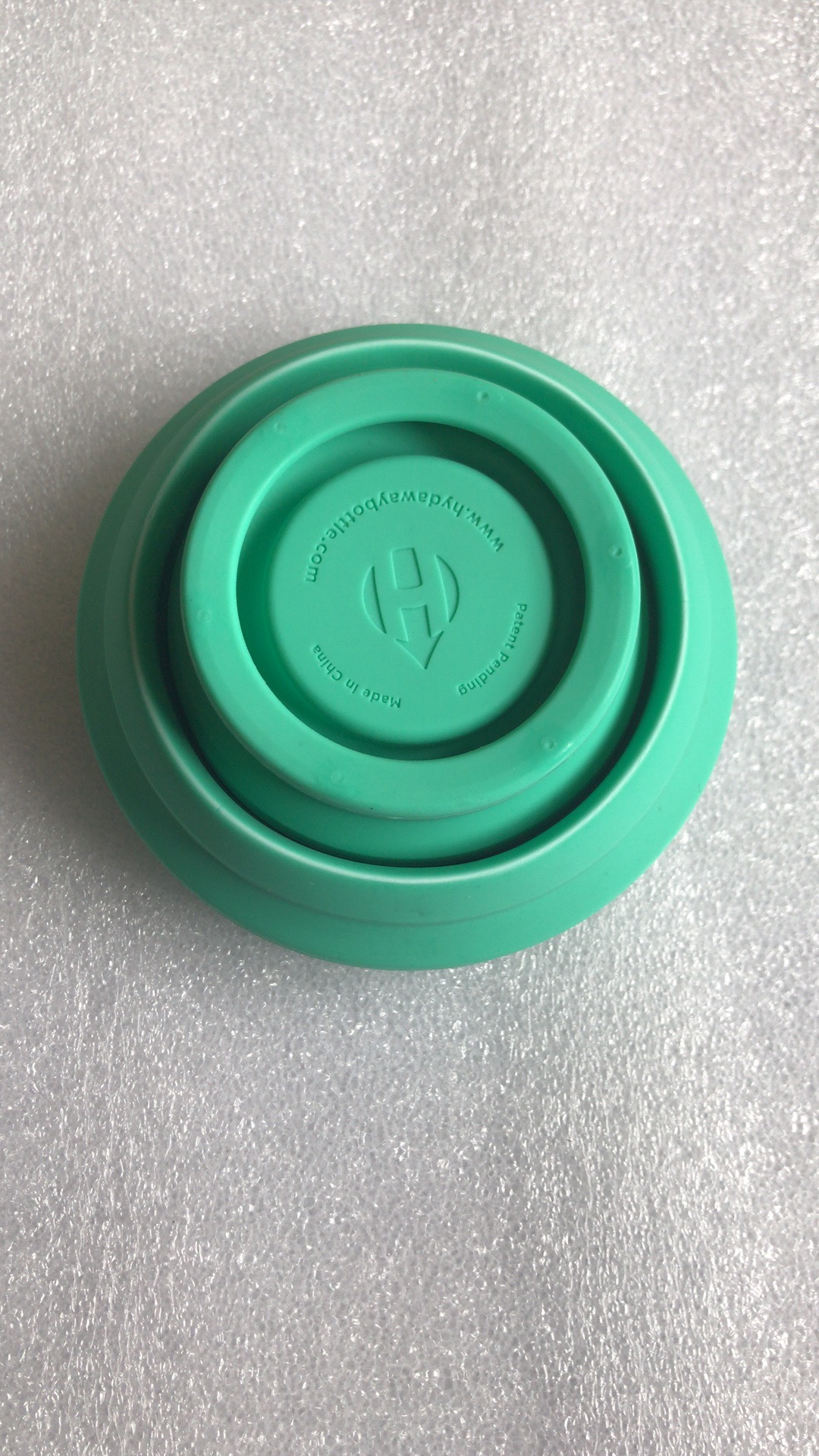
Rubber prototypes are useful when flexibility, soft-touch properties or elastomer-like characteristics are required for product evaluation.
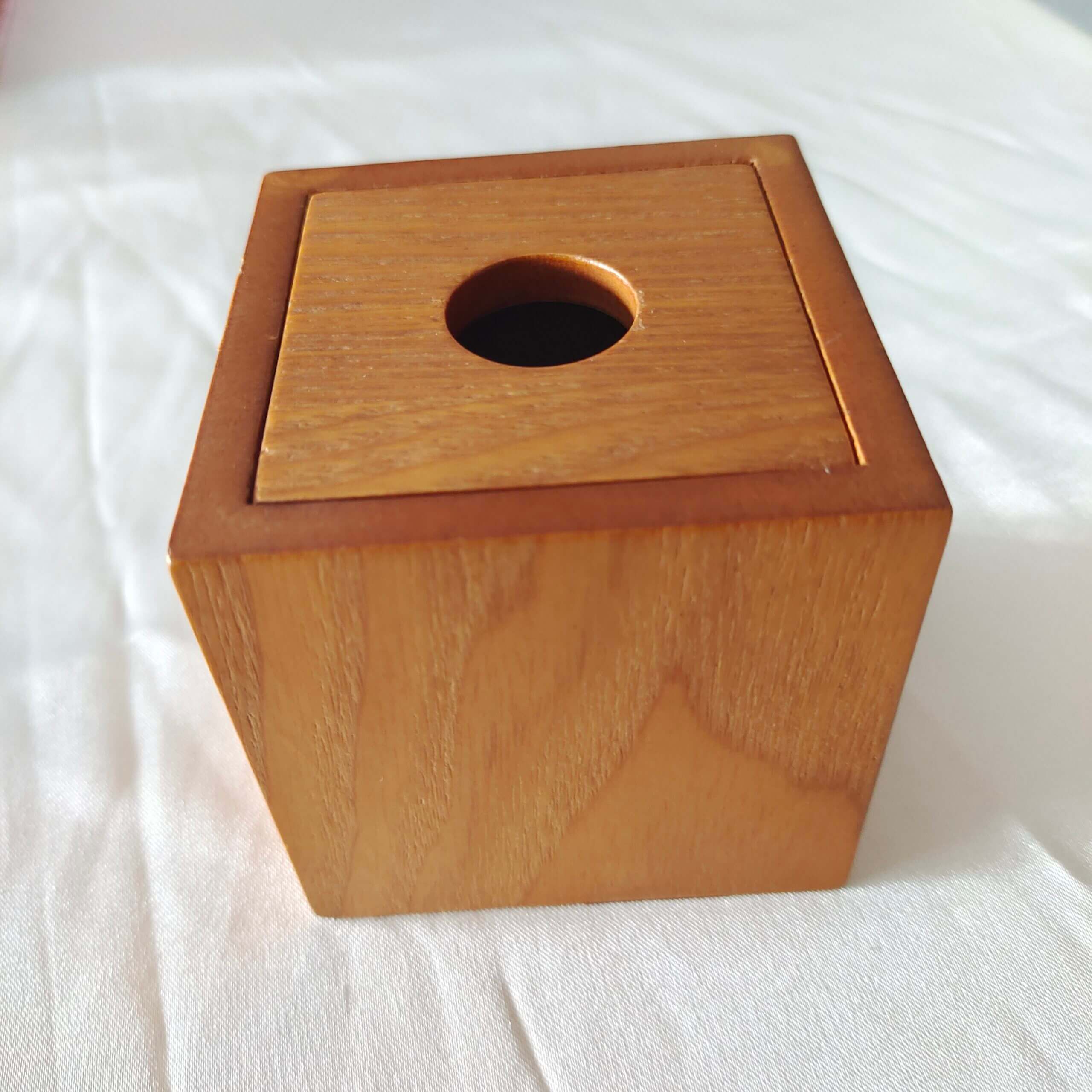
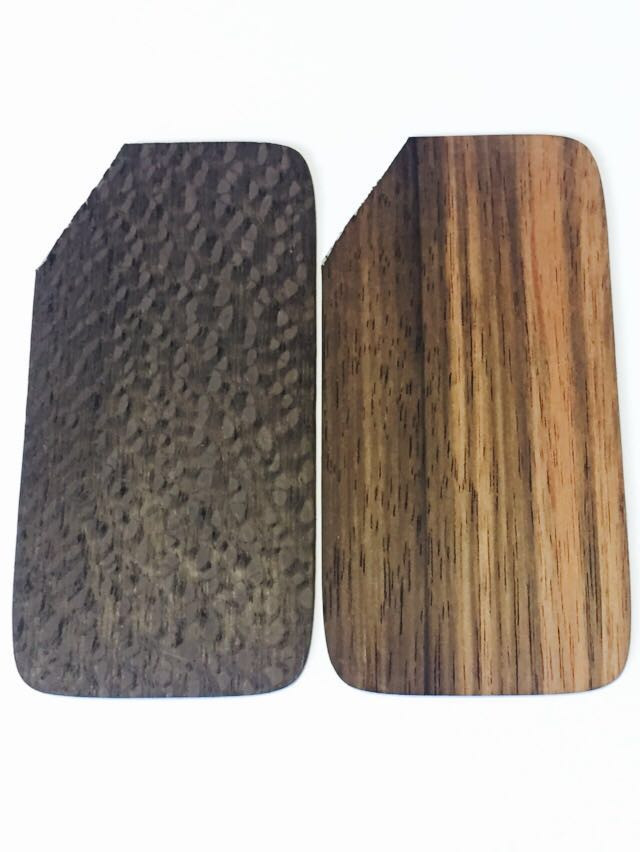
Solid wood prototypes can be used for form studies, appearance models, presentation models and applications where a natural material is required.

Marble prototypes can be produced for product concepts, architectural models and high-end appearance applications where stone is part of the design.

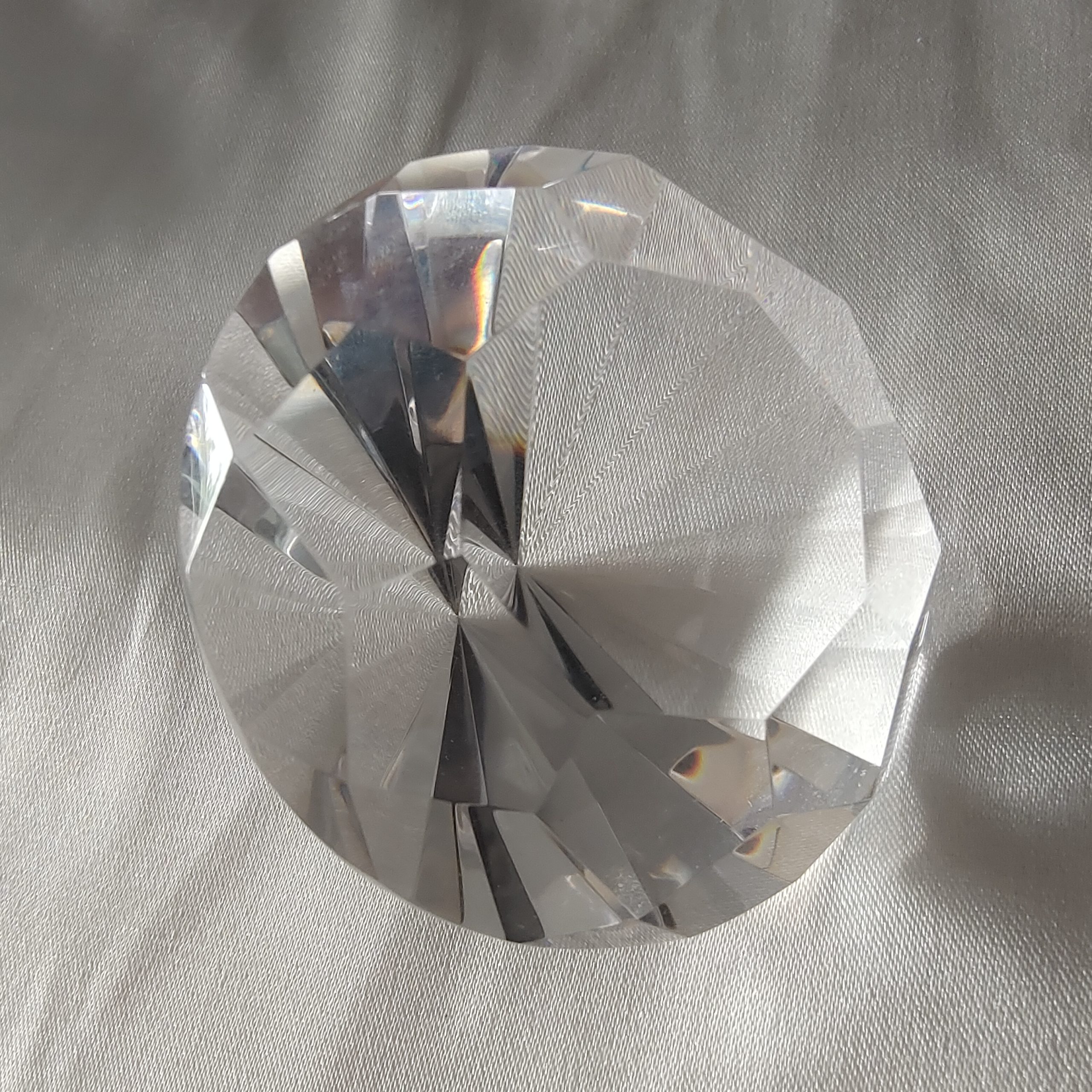
Glass prototypes can be used when transparency, optical appearance or glass-like visual characteristics are important to the product design.
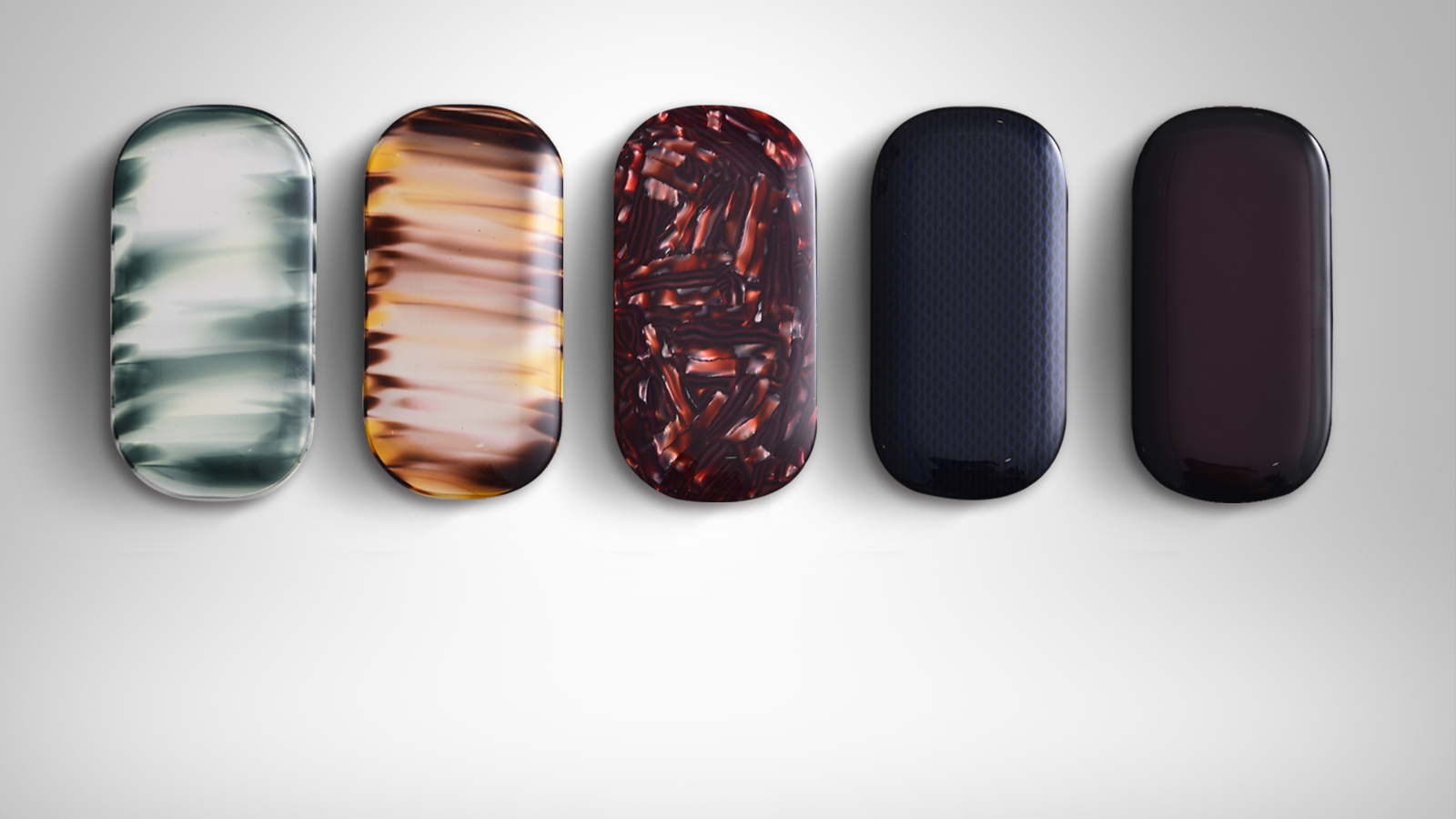
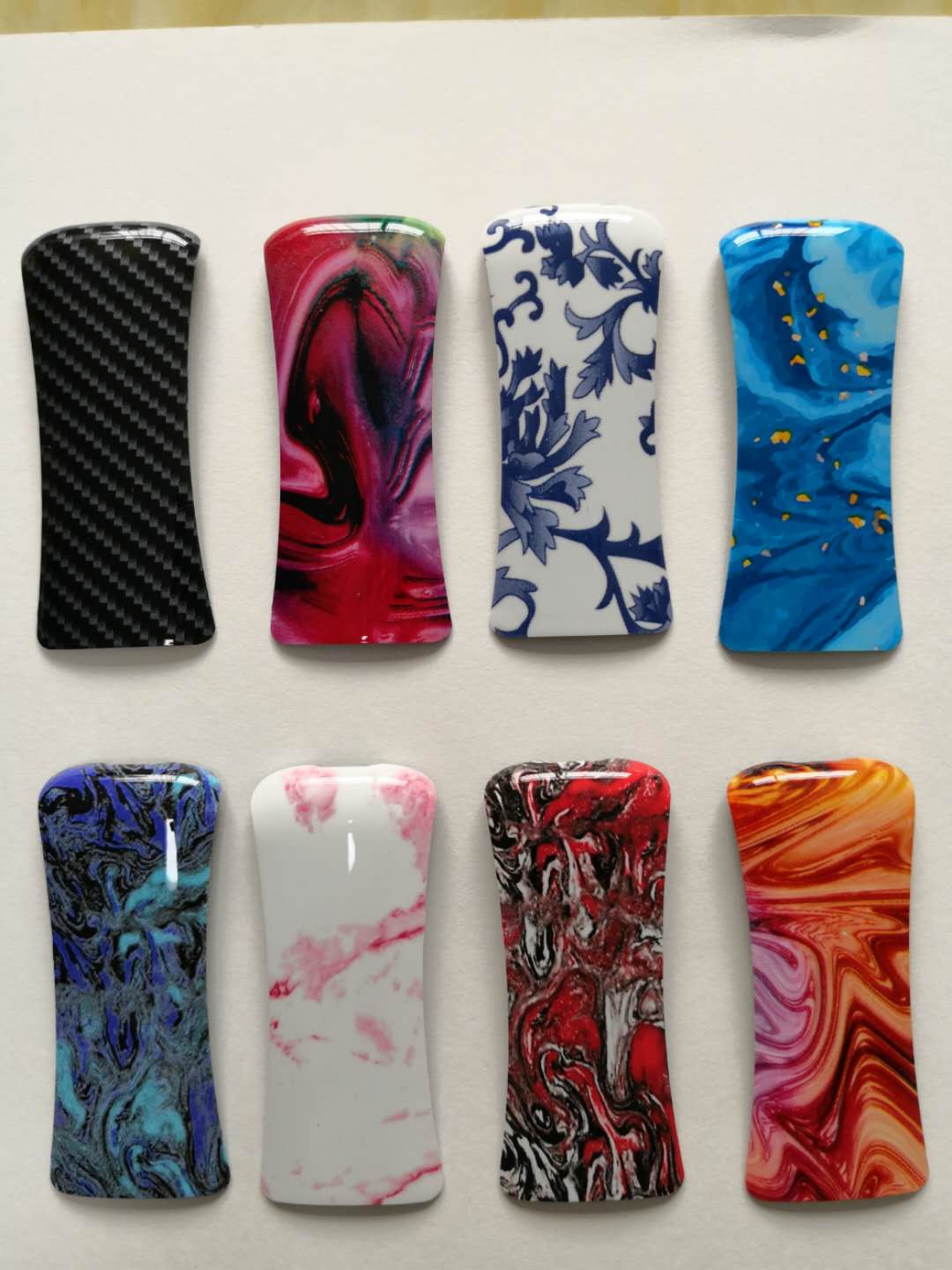
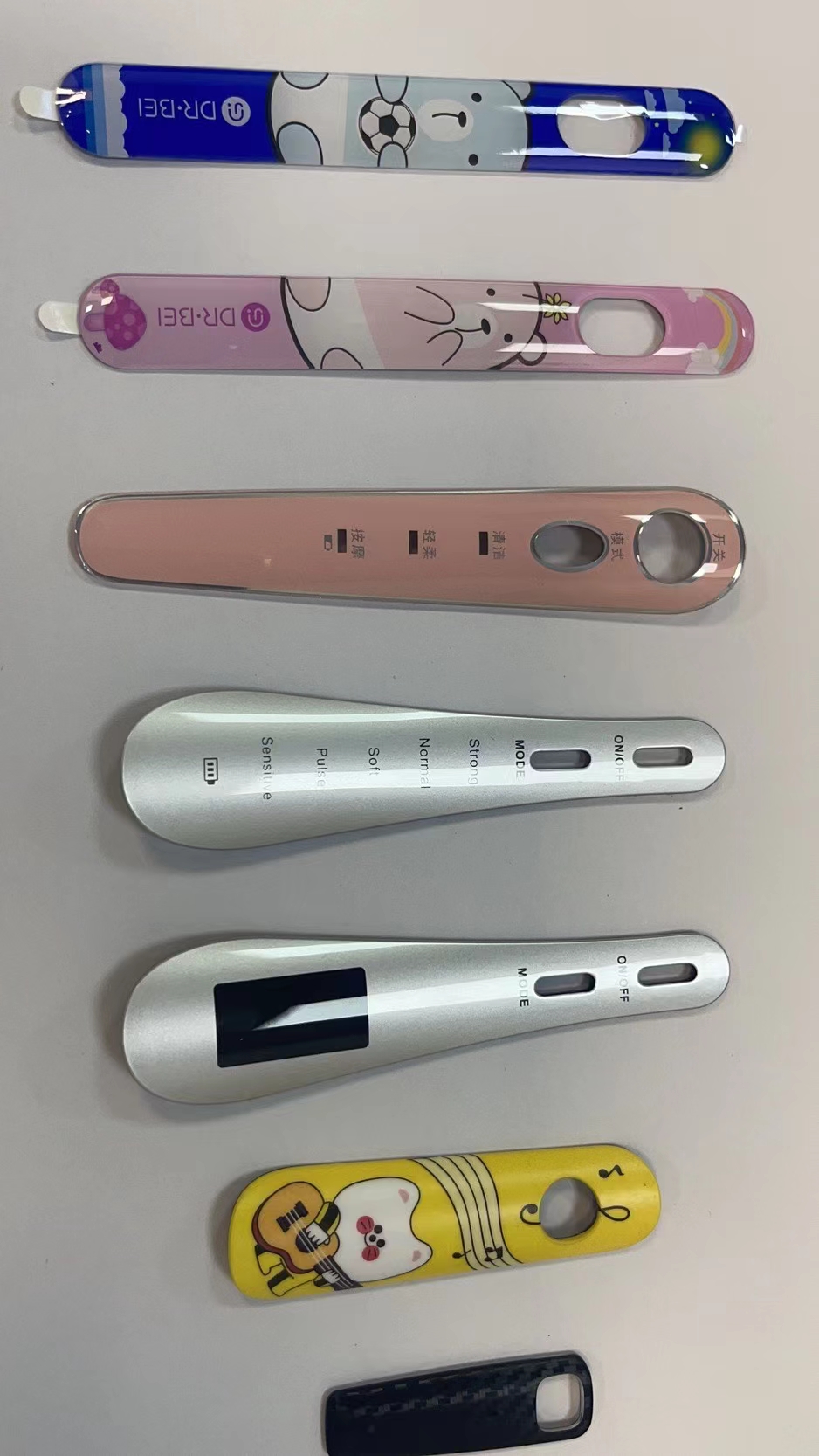
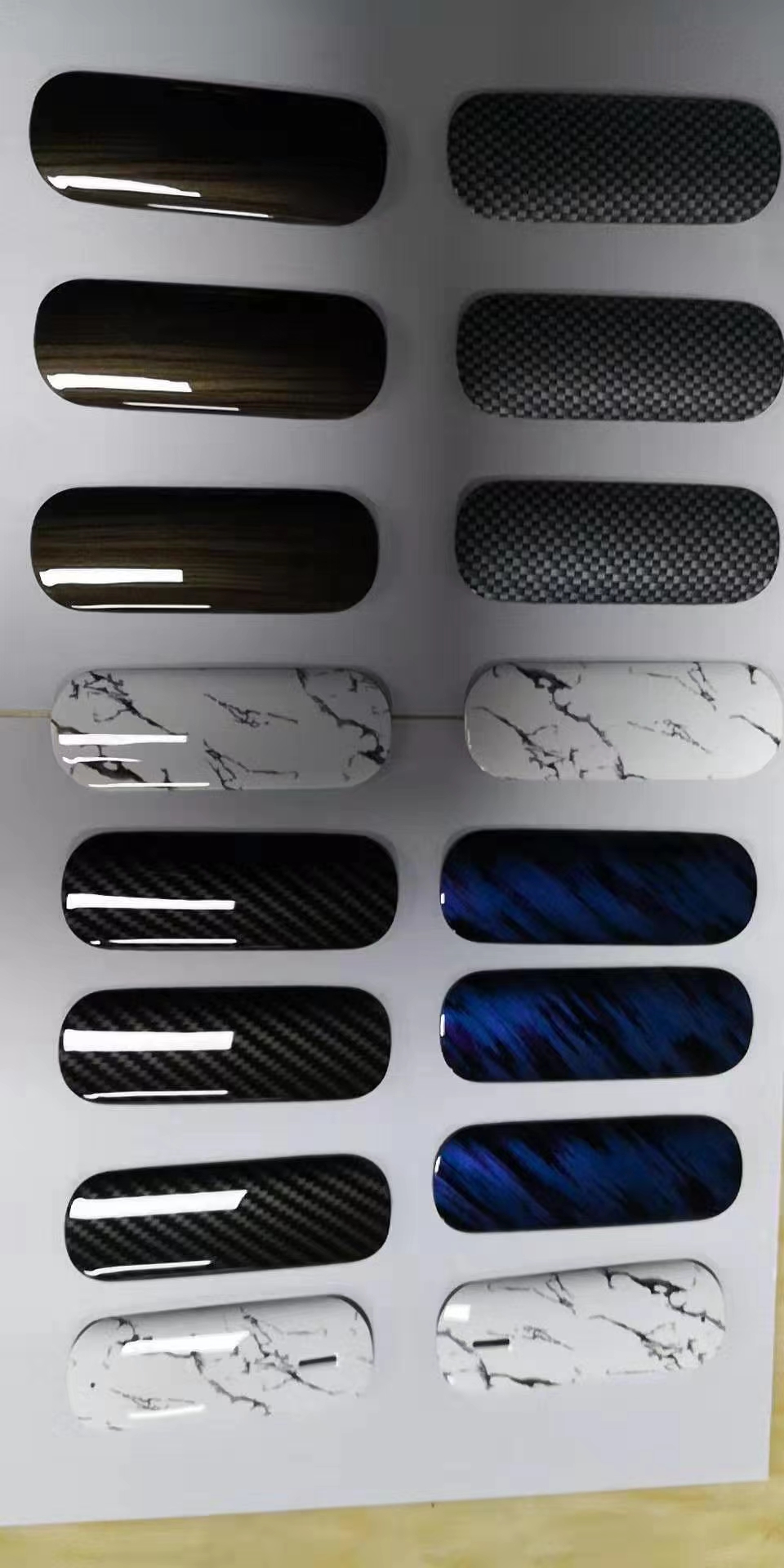
A prototype is more than a machined or printed part. Hemtom provides professional surface finishing to refine the color, texture, gloss and overall appearance of your prototype.
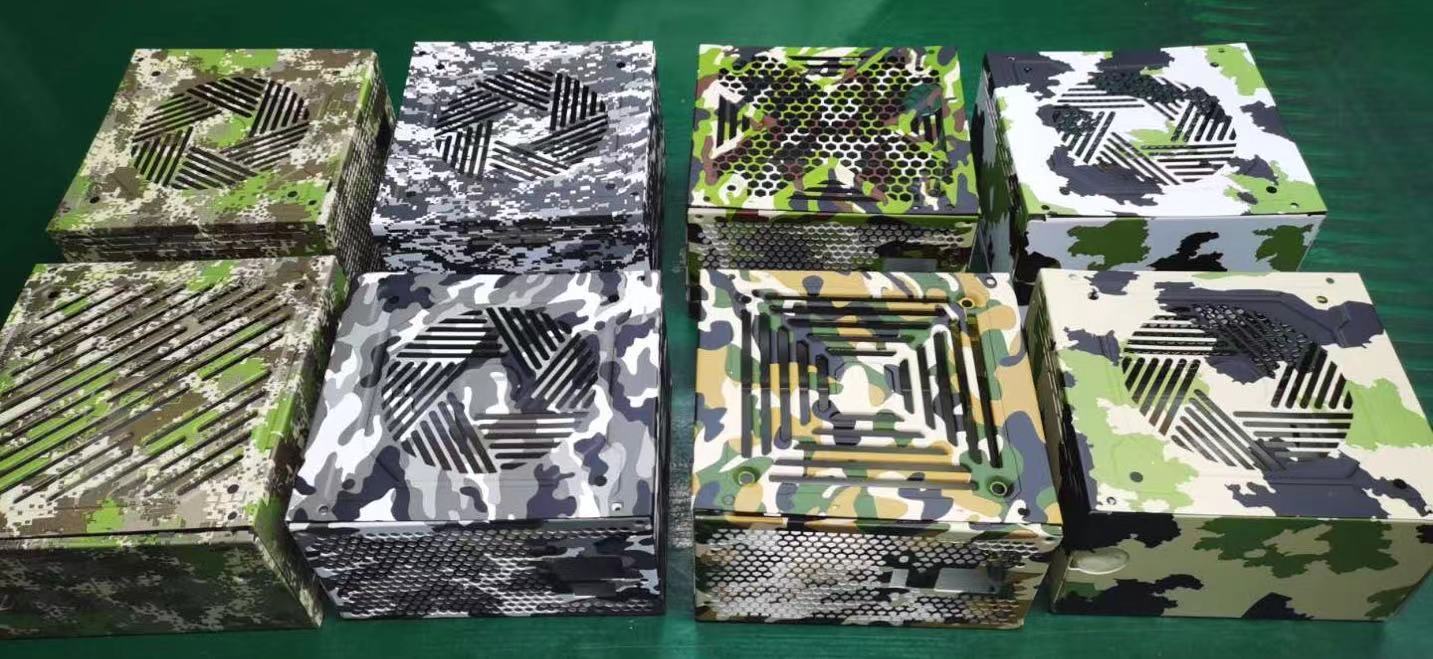
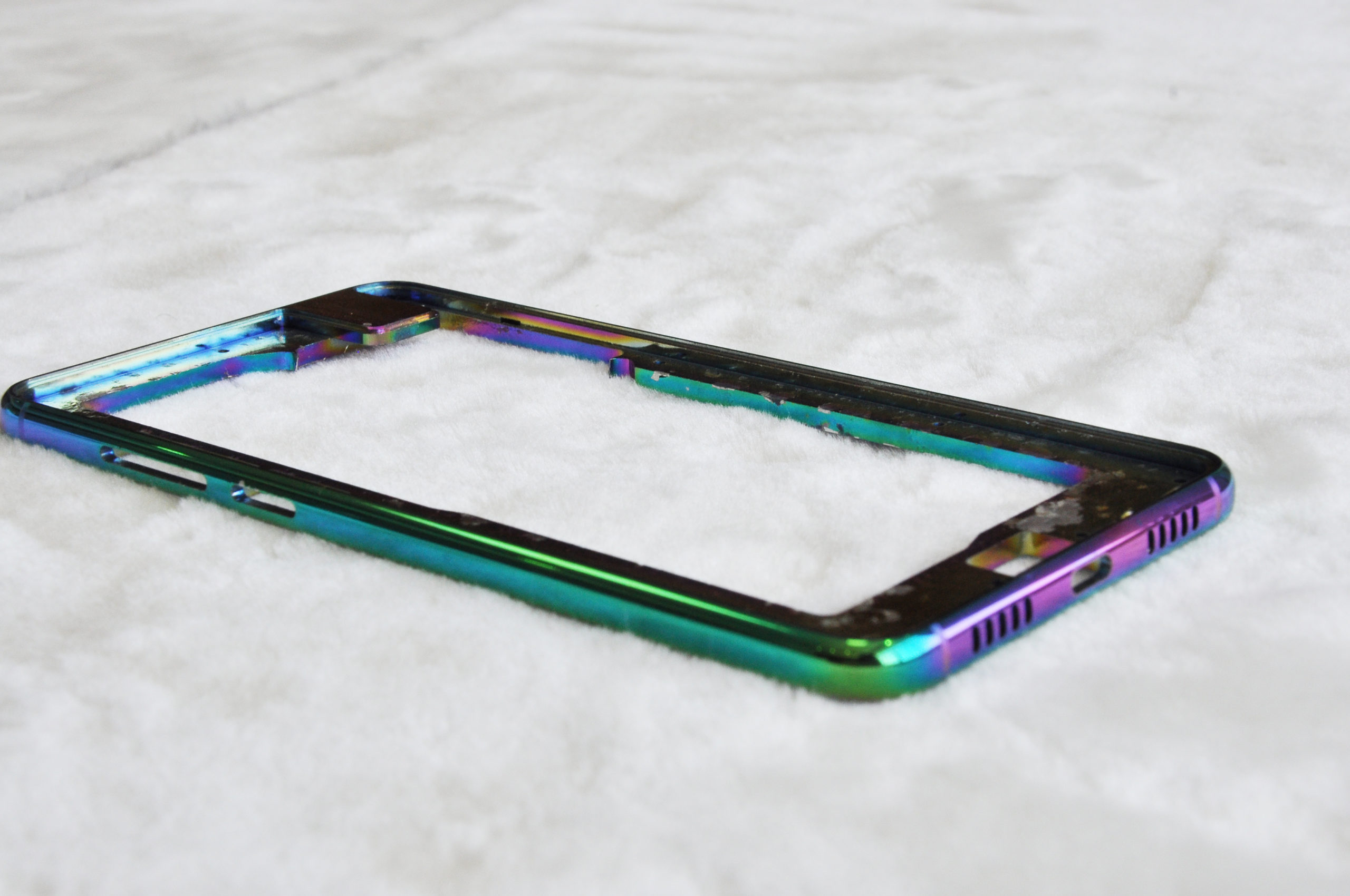
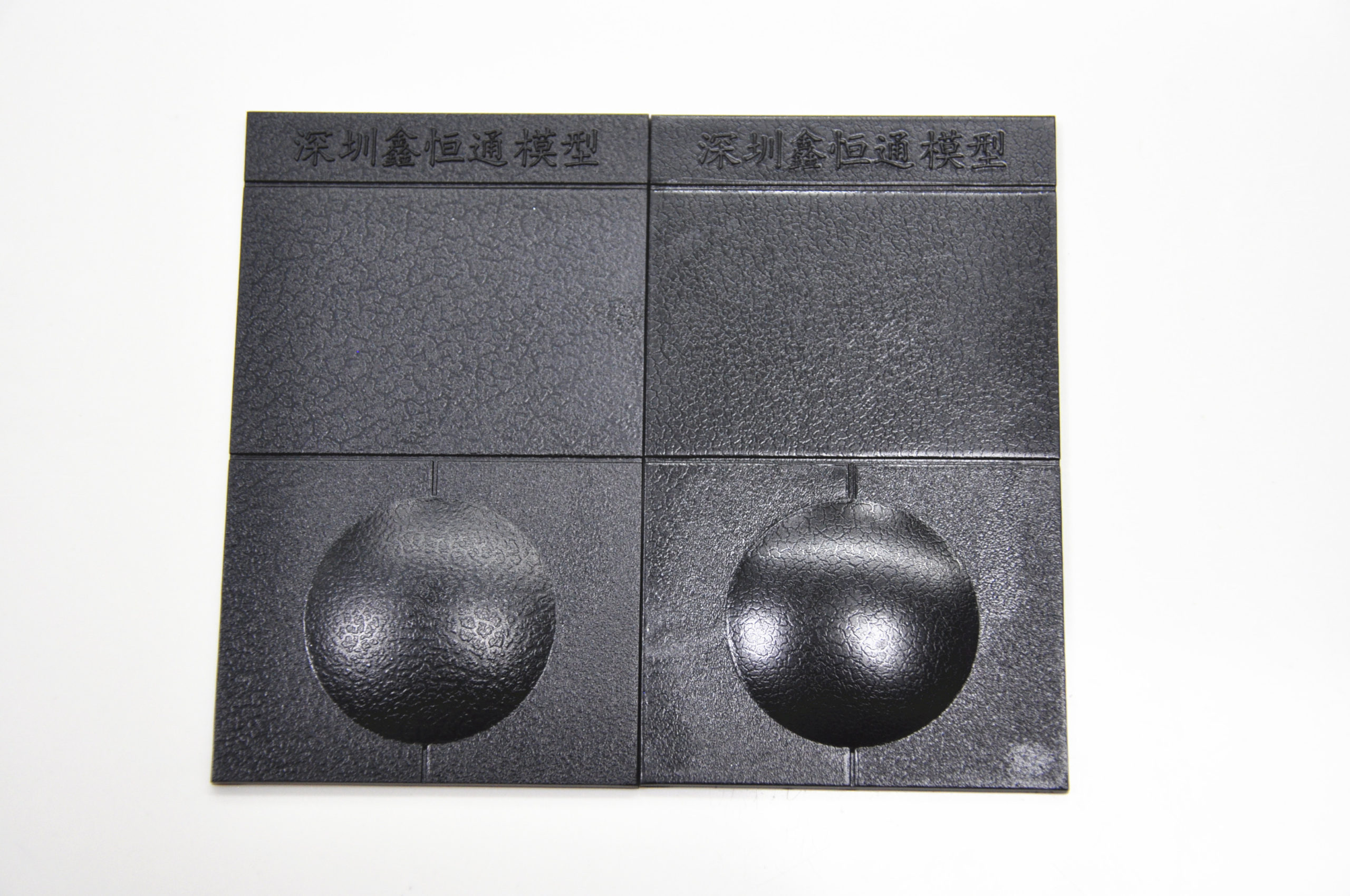
From polished metal and anodized surfaces to painted plastics, textured finishes and custom color matching, we help turn manufactured parts into finished physical prototypes for design review, presentation and product validation.
Explore Surface FinishingFrom smooth polished surfaces and metallic effects to custom colors, textures and decorative finishes, Hemtom can finish prototype parts according to the intended product appearance.
Prototype projects often involve unreleased products, proprietary designs, confidential engineering information and valuable intellectual property. Hemtom applies confidentiality practices across project handling, factory access and production information.
Hemtom maintains strict control over access to production areas and project information. Customers are not permitted to enter production workshops, including when they want to view their own products. Employees from unrelated departments are also restricted from entering controlled production areas.
Multiple customers' projects may be handled within the same production environment. Keeping workshop access restricted helps prevent one customer's project from being exposed while another customer is visiting or reviewing their own work. Customer meetings, product reviews and project discussions are conducted in designated areas such as the meeting room on the third floor.
When required, Hemtom can work under a signed NDA or other confidentiality agreement before confidential project information is shared or production begins. Customers can provide sensitive design and project information under the agreed confidentiality terms before engineering review and prototype manufacturing.
Contractual confidentiality is supported by physical and information controls inside Hemtom's production environment. Workshop access is strictly restricted, while customer meetings, product reviews and project discussions are conducted in designated areas outside the production floor.
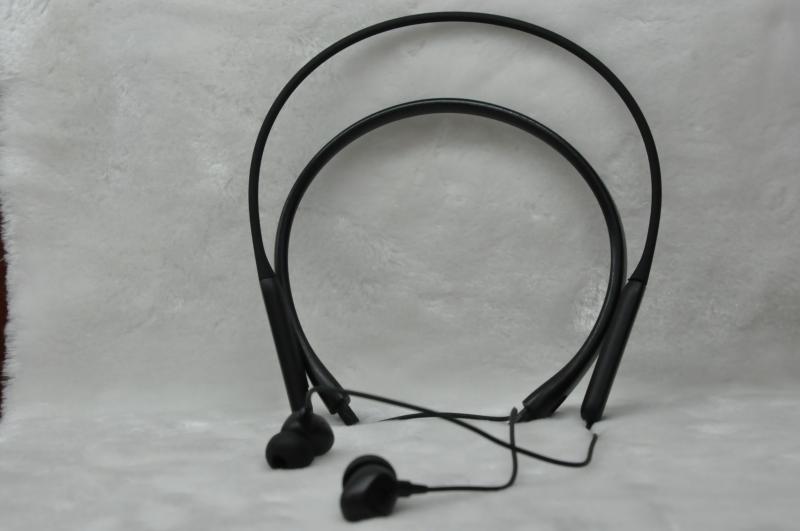
Before entering controlled production areas, personnel store personal belongings and electronic devices, including phones, tablets, cameras, recording devices and other personal electronics.
Personal Item & Device ControlAfter belongings and personal devices are stored, personnel undergo the required security check before entering controlled production areas.
Entry Security CheckHemtom applies a strict no-entry policy to customers and employees from unrelated departments. Visitors are also kept out of production workshops. Because multiple customers' projects may be handled within the same production environment, customers cannot enter the workshops even to view their own products. Customer meetings, product reviews and project discussions are conducted in the designated meeting room on the third floor.
Strict Workshop Access ControlProduction computers operate within the factory LAN. Factory surveillance and internal management procedures help control access to production information and confidential project data.
LAN-Only PCs & Surveillance


Prospective customers may visit Hemtom before cooperation to evaluate the company as a potential manufacturing partner. Existing customers may also visit for project discussions, product reviews or ongoing cooperation. All customer visits are conducted in designated visitor areas, and production workshop access remains restricted.

New customers, particularly companies conducting supplier qualification or factory evaluation, can meet the Hemtom team, discuss manufacturing capabilities, review project requirements and evaluate Hemtom as a potential manufacturing partner before starting a project. Production workshops remain restricted to authorized production personnel.

Hemtom also meets customers and industry partners at events such as CES, where teams can discuss product development, manufacturing requirements and potential cooperation in person.
Hemtom applies the same workshop access rules to every customer. Customers are not permitted to enter production areas, including when reviewing their own projects. This ensures that viewing one customer's project does not expose information belonging to another customer.
By combining contractual confidentiality, controlled workshop access, security procedures and information management, Hemtom maintains a consistent approach to protecting confidential project information throughout prototype manufacturing.